|
|
|
Mon quotidien Improve Concentration Instantly with a Standing Desk Setup La santé 7 Simple Standing Desk Upkeep Tasks to Extend Lifespan |
7 Simple Standing Desk Upkeep Tasks to Extend Lifespan A standing workstation lasts longer when it is cared for consistently. The good news is that upkeep does not have to be complicated or time-consuming. A few small habits can protect moving parts, preserve the surface, reduce wear, and keep the whole setup feeling stable and reliable over time. When the desk is maintained well, it is easier to use, easier to adjust, and less likely to develop the little problems that turn into expensive repairs later. Message déposé le 03.06.2026 à 13:48 - Commentaires (0)(cliquez ici pour suivre le lien) (cliquez ici pour suivre le lien) The seven tasks below are simple enough to fit into a normal workweek. Some take only a few minutes, while others are worth doing once a month. Together, they help extend the life of the workstation and keep it comfortable for everyday use. Think of them as preventive care: a little attention now saves a lot of trouble later. Best Standing Desks: keep the surface clean and dry The first upkeep task is the simplest one: wipe the surface regularly. Dust, crumbs, fingerprints, and drink spills may seem harmless at first, but over time they can dull the finish and make the workspace feel less pleasant. A soft microfiber cloth is usually enough for daily cleaning, especially if you avoid harsh chemicals and overly wet cloths. The goal is to remove debris without stressing the finish or leaving moisture behind. Consistency matters more than intensity. A quick wipe at the end of the day prevents buildup and keeps small particles from scratching the top during movement. If something spills, clean it right away so it does not sit on the surface or seep into edges and seams. A clean desk is not only more attractive; it is also easier to maintain because problems are less likely to hide beneath clutter or residue. (cliquez ici pour suivre le lien) (cliquez ici pour suivre le lien) Sit to Stand Desk: clear clutter before it creates wear A cluttered surface does more than look messy. It can also make the desk harder to use and more vulnerable to accidental damage. When papers, chargers, accessories, and loose items pile up, the surface is more likely to get scratched, stained, or bent under pressure. Clearing the workspace regularly helps protect both the finish and the items on top of it. Try to keep only the tools you actually use every day on the main surface. Everything else can live in drawers, trays, or nearby storage. That simple habit makes the station easier to clean and helps reduce the chance that something gets knocked off while the desk changes height. A lighter, more orderly surface also puts less strain on the frame and makes the entire routine feel calmer and more efficient. (cliquez ici pour suivre le lien) (cliquez ici pour suivre le lien) Adjustable Desks: tighten hardware on a regular schedule One of the most important upkeep tasks is checking the hardware. Screws, brackets, and fasteners can loosen gradually through normal use, especially if the desk is adjusted often. A quick monthly inspection can prevent wobble, uneven movement, or creaking sounds. That kind of maintenance takes very little time, but it can make a major difference in long-term stability. When checking the frame, look for anything that feels loose, uneven, or out of place. Tighten components carefully and test the desk afterward to make sure movement still feels smooth. A stable frame protects the rest of the workstation by reducing vibration and stress on the surface. If the desk starts to feel less solid than it used to, hardware is one of the first things to inspect. (cliquez ici pour suivre le lien) Electric Adjustable Standing Desk: protect the motor and moving parts A powered lifting system needs a little attention to stay reliable. The motor, control panel, and cables should be kept free of dust, spills, and obstruction. Make sure the path around the desk stays open so nothing drags or catches when the height changes. If the mechanism seems to slow down, stop unevenly, or make unusual noises, address the issue early rather than waiting for it to get worse. It also helps to avoid overloading the surface. Heavy, uneven weight can strain the lift system and make the desk work harder than necessary. Keep the load within a reasonable range and distribute accessories evenly whenever possible. A smooth motor is easier to preserve than to repair, so treating the moving parts carefully is one of the most effective ways to extend the desk’s life. Corner Standing Desk: keep the corner clear and functional A corner layout offers more room, but it also collects clutter quickly if it is not organized with care. The angled shape makes it easy for objects to drift into unused space, where they can get overlooked and accumulate dust. Keeping the corner clear helps preserve both the look and the function of the workspace. It also makes cleaning easier because you can reach all sections without moving a pile of items first. Use the two sides of the desk intentionally. One side can hold active work tools, while the other can support references, storage, or devices that are not needed every minute. This separation reduces wear because it keeps high-use items from crowding the entire surface. A well-managed corner setup stays cleaner, feels more open, and is less likely to develop scratches from repeated object shifting. Standing Executive Desk: preserve the professional finish A more polished workstation deserves careful surface protection. A refined finish can show rings, scratches, and dust more easily than a rough or heavily textured one, so it helps to use coasters, pads, and soft accessories where needed. Those small additions prevent direct contact from cups, devices, and sharp-edged items that could leave marks over time. Routine care also helps the desk maintain the composed look that makes it feel appropriate in a professional space. Wipe away smudges, avoid abrasive cleaners, and keep decorative items from clustering into a crowded display. When the finish stays clean and the surface remains organized, the desk continues to look intentional instead of worn down by daily use. Solid Wood Standing Desk: use the right cleaner for the finish Wood surfaces need gentler care than many synthetic tops. A barely damp cloth is usually enough for everyday cleaning, followed by a dry wipe to remove moisture. Avoid soaking the surface, and do not leave wet items sitting directly on it for long periods. Even sturdy wood finishes can show wear if they are exposed to too much water or overly aggressive cleaning products. It is also smart to watch for heat, residue, and abrasion. Use a mat under devices that sit in one place for long periods, and move accessories occasionally so one spot does not take all the wear. If the room is very dry or humid, the surface may need a little more attention. Gentle, regular care helps preserve the natural warmth and durability of the finish. Vernal Standing Desk: inspect the base and frame before problems grow A stable frame is the backbone of the whole setup. Checking the base periodically helps catch small issues before they affect daily use. Look for wobble, uneven motion, or parts that no longer feel as secure as they once did. Early inspection is useful because minor movement problems are usually easier to solve before they spread to other components. If the frame is clean and solid, the desk will feel better to use and easier to trust over time. That confidence matters because it encourages regular movement rather than cautious hesitation. A reliable base supports the entire workspace, so it deserves a place in your routine. Even a few minutes spent checking alignment and stability can help the desk remain dependable for years. Vernal Desk Reviews: learn what owners notice most Feedback from other users can reveal maintenance issues you might not notice at first. Reviews often mention whether the desk stays stable after repeated use, whether the finish holds up well, and whether the adjustment system remains smooth over time. Those patterns are useful because they show what daily ownership is really like, not just what the product looks like on the page. Reading feedback can also help you decide what to check more often in your own routine. If many owners mention loose hardware, surface wear, or cable management challenges, those are areas worth watching closely. Real-world experience is one of the best tools for protecting a desk because it points attention toward the details that most affect long-term durability. Keep the routine easy enough to repeat The best upkeep plan is the one you can actually keep doing. A desk lasts longer when care becomes part of the normal rhythm of the workweek rather than a rare cleanup project. Wiping the surface, clearing clutter, checking hardware, and protecting the finish do not need to take much time if they are done regularly. Small actions repeated often are far more effective than occasional big efforts.  Improve Concentration Instantly with a Standing Desk Setup Want sharper focus without caffeine or complicated routines? A properly configured standing desk can be one of the fastest, most reliable ways to lift attention and sustain concentration through the workday. This article explains why standing works, how to set up different desk types for immediate cognitive gains, and practical micro-habits to make improved focus stick. Standing Desks: why posture and alertness are linked Standing subtly changes physiology � it raises heart rate slightly, increases blood flow, and encourages micro-movements. All three feed the brain with more oxygen and stimulate the nervous system in ways that help you resist the afternoon slump. Rather than thinking of standing as a posture-only fix, think of it as a low-effort alertness boost: when you stand, your body is more likely to adopt a head-up position and your mind follows. (cliquez ici pour suivre le lien) Sit Stand Desk: rhythm over extremes for steady focus The best focus routines use rhythm, not extremes. A Sit Stand Desk makes alternating between seated and standing positions easy, which helps prevent the tiredness that comes from any static posture. Try short standing intervals when working on demanding tasks � 20 to 30 minutes standing during concentrated blocks helps maintain arousal without causing premature fatigue. The variability itself reduces habituation, so your brain stays responsive. Adjustable Height Desk: fine-tune for cognitive comfort Small ergonomic mismatches create hidden distractions: a monitor that's too low, a keyboard too high � each forces micro-adjustments that fragment attention over time. An Adjustable Height Desk lets you set the sweet spot where your shoulders relax and your eyes comfortably meet the screen. When your body isn't busy compensating for poor ergonomics, your mental bandwidth frees up for deeper thinking. (cliquez ici pour suivre le lien) Electric Height Adjustable Desk: make switching effortless Friction kills habits. When standing requires effort or time, you'll default to sitting. An Electric Height Adjustable Desk removes that barrier � one button and your workstation changes, allowing you to pair standing with particular tasks (e.g., reviewing, reading, video calls). The easier the transition, the more consistent your switching pattern will be, and that consistency is what preserves attention across an entire day. (cliquez ici pour suivre le lien) Adjustable L Shaped Desk: reduce movement cost, increase flow Design your workspace so everything you need is within a comfortable arc. An Adjustable L Shaped Desk keeps secondary tools, sketchpads, and reference materials close without forcing you to twist or reach away from your central focus zone. Less reaching equals fewer interruptions to your cognitive flow. Consider placing frequently used items on the near wing so you can maintain standing posture and uninterrupted attention. (cliquez ici pour suivre le lien) Stand Up Executive Desk: presence supports performance When you need to lead meetings or present ideas, the Stand Up Executive Desk offers space and stature. Standing boosts vocal projection and body language cues that reinforce confidence and clarity. Even for solitary work, the executive format means you can spread out materials without clutter � and visual clarity helps sustain concentration when juggling complex projects. (cliquez ici pour suivre le lien) Wood Standing Desk: sensory cues that anchor attention Materials matter. A warm, tactile surface like a Wood Standing Desk can make your workspace more inviting and reduce the mental friction of starting work. Natural textures are calming and reduce visual noise; when your environment feels pleasant, the brain spends less energy on distraction management and more on the task at hand. Choose finishes that reduce glare and support a calm color palette to further aid focus. (cliquez ici pour suivre le lien) Vernal Standing Desk: practical features to help you focus Look for desks that combine stability, quiet adjustment, and ample surface area. A Vernal Standing Desk model, for example, typically offers smooth height controls and sturdy construction so you won’t lose concentration to wobble or noisy motors. If you’re evaluating options, consult Vernal Space Reviews and user feedback to confirm real-world performance for focused work. (cliquez ici pour suivre le lien) Vernal Space Reviews: what to check before buying When browsing reviews, prioritize comments about stability at full height, noise from motors, and how the desk handles multiple monitors. Those factors influence whether a desk helps you stay engaged or becomes a source of small but persistent interruptions. How to set up your standing desk for instant focus gains Follow these concrete, quick-to-apply steps to see an immediate change in concentration: Eye level: Set the top third of your primary screen at eye level when standing so your neck stays neutral. Elbow angle: Position the keyboard so elbows rest comfortably near 90 degrees � neutral wrists reduce tension and distraction. Feet and mat: Use an anti-fatigue mat and comfortable shoes; foot discomfort is a fast attention killer. Lighting: Aim for even, cool-white lighting that keeps contrast crisp without glare on the screen. Declutter: Keep only task-relevant items within arm’s reach; visual clutter competes for attention. Micro-habits that amplify the concentration boost Small habits maintain the gains your desk provides: Pair standing with deep work: Reserve standing blocks for focus tasks like drafting, coding, or editing. Use movement cues: Stand for the first 10 minutes of each hour or after completing a Pomodoro sprint to reset attention. Breathing checks: A deep breath at the start of standing blocks helps center attention and reduces mind-wandering. Micro-walks: Brief 1�2 minute walks every hour complement standing and restore concentration. Pair tech and tools to prevent attention leaks Combine your standing desk with a few focused tools: a monitor arm for ergonomic width, a compact mechanical keyboard for tactile feedback, and a simple noise-dampening headset to block ambient sounds. These additions reduce the cognitive load of posture and environment management so your brain can allocate resources to creative or analytical work. Measure and iterate: small data, big improvements Track how long you maintain focused work while standing versus sitting. Use simple markers like the number of uninterrupted minutes or task completion rate. After a week, tweak desk height, standing duration, or task pairing. Small iterative changes often yield the largest returns in sustained attention. Conclusion: standing is a tool, not a panacea Standing Desks and their adjustable variants (Sit Stand Desk, Adjustable Height Desk, Electric Height Adjustable Desk, Adjustable L Shaped Desk, Stand Up Executive Desk, Wood Standing Desk) are powerful catalysts for better concentration � but the results depend on setup and habit. Pair the right desk with ergonomic alignment, short movement rhythms, and focused task pairing to see instant cognitive gains. Check real user reports like Vernal Space Reviews if you want reliable, practical insights before choosing a model. With the right configuration and a few consistent micro-habits, you can transform your workstation into a concentration engine that delivers clearer thinking and more productive hours each day. 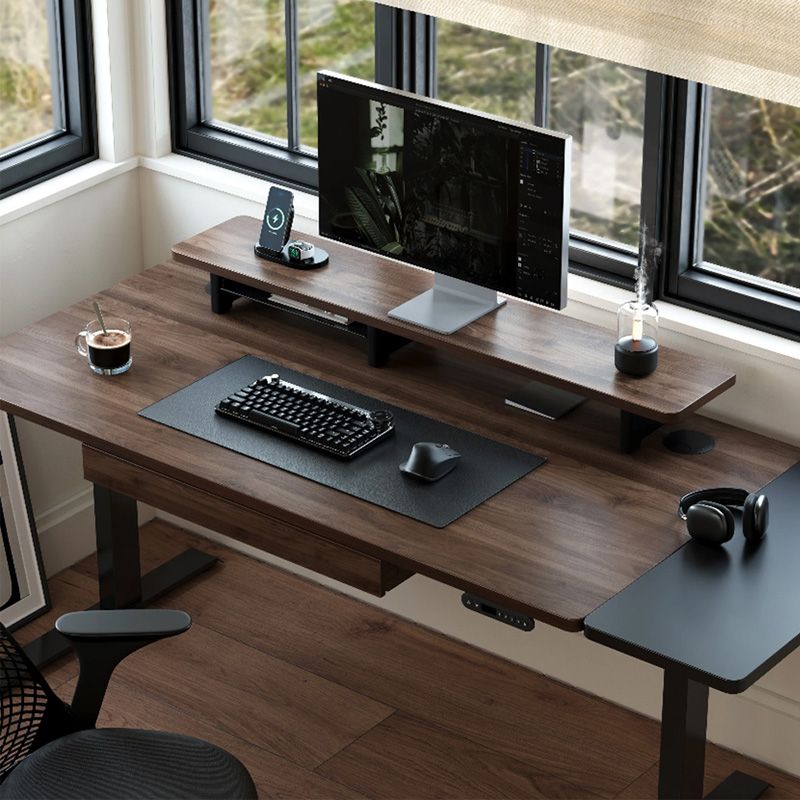 |
 Livre d'Or Livre d'Or Contact ContactTous les messages 7 Simple Standing Desk Upkeep Tasks to Extend Lifespan Improve Concentration Instantly with a Standing Desk Setup Créez votre blog sur Bebenautes.com EVJF Mariage |